

Bringing a new cat home is exciting, but the first few days go much more smoothly when you are prepared. A cat that arrives to a quiet room, a clean litter box and familiar food settles in faster, feels safer and is less likely to hide, stop eating or have accidents.
This checklist covers everything you need before your cat comes home, what is truly essential, what can wait, and how to set up your home so your new cat feels safe from day one.
Quick answer: the 10 essentials
- A sturdy cat carrier
- Cat food (the same food your cat already eats)
- Food and water bowls
- A litter box, litter and a scoop
- A scratching post
- A cozy bed or hiding spot
- A few safe toys
- A brush and nail clippers
- An ID tag or microchip
- A booked vet visit in the first week
1. Food and water

Ask the shelter, breeder or previous owner exactly which food your cat eats now, and buy that same food for the first week or two. A sudden change in diet is one of the most common reasons new cats get an upset stomach.
- Cat food: start with their current food. If you want to switch, mix it in slowly over 7 to 10 days.
- Shallow bowls: many cats prefer wide, shallow bowls made of stainless steel or ceramic. They are easy to clean and do not hold smells like plastic.
- Fresh water: place water a little away from the food bowl. Some cats drink more from a cat water fountain.
- Treats: useful for building trust in the first days.
2. Litter box setup
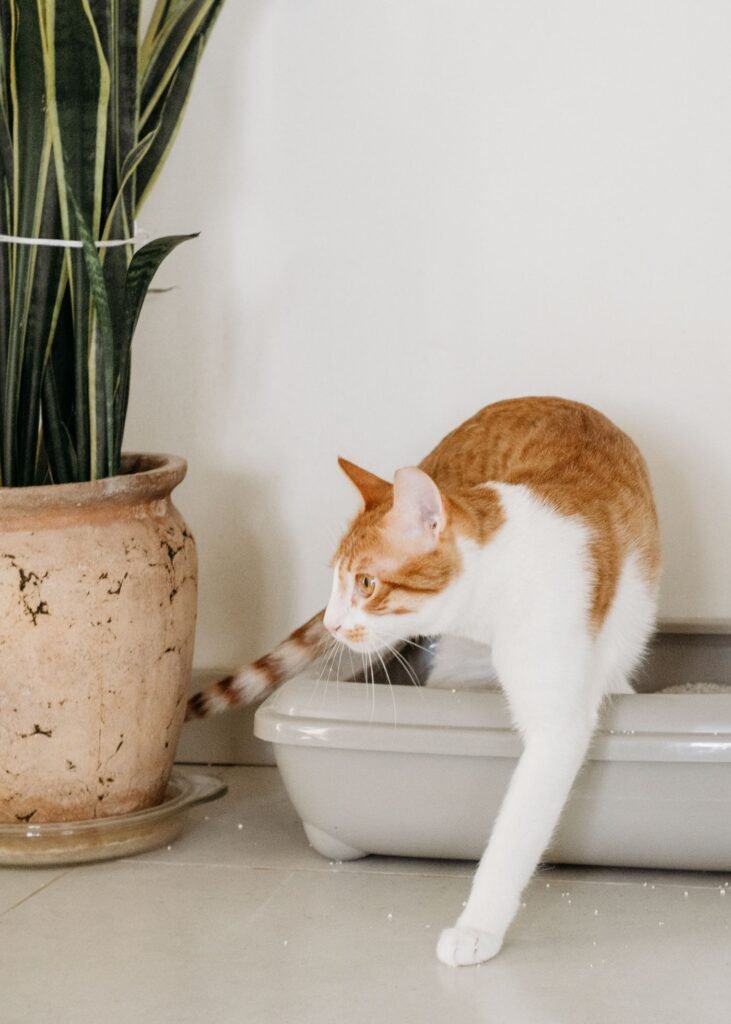
A good litter box setup prevents most “accidents” in new homes. A common rule recommended by vets and cat welfare groups is one litter box per cat, plus one extra.
- Size: the box should be about 1.5 times the length of your cat. Bigger is almost always better.
- Litter: most cats prefer fine, unscented clumping litter. Use the same type your cat used before if you can.
- Location: a quiet spot, away from food and water, where your cat cannot be cornered.
- Keep it clean: scoop at least once a day and fully change the litter regularly. Cats avoid dirty boxes.
3. A safe space and a cozy bed

Most cats feel nervous in a new home. Instead of giving them the whole house on day one, prepare one quiet “safe room”, such as a spare bedroom or bathroom, with everything they need: food, water, litter box, bed and a place to hide.
- Bed: a soft bed, or simply a blanket in a box. Many cats love a covered bed.
- Hiding spot: a cardboard box on its side works perfectly.
- Something that smells familiar: a blanket or toy from their old home helps a lot.
4. Scratching posts and climbing

Scratching is a normal, healthy behavior. It keeps claws in shape and helps cats stretch and mark their territory. If you do not give them a good place to scratch, they will choose your sofa.
- A tall, sturdy scratching post that does not wobble. Sisal rope is a favorite.
- A cat tree if you have space. Cats feel safer when they can watch the room from up high.
- Place scratchers near where your cat sleeps and near furniture you want to protect.
5. Toys and play

Play is how cats burn energy and build a bond with you. Short play sessions of 10 to 15 minutes, once or twice a day, make a big difference, especially for indoor cats.
- Wand toys (a feather on a stick) are the best for playing together.
- Small balls and crinkle toys for solo play.
- Avoid string, yarn, hair ties and rubber bands. They can be dangerous if swallowed.
6. Grooming and health basics
- Brush: a soft brush for short hair, or a comb for long-haired cats.
- Nail clippers made for cats.
- Cat carrier: a hard-sided carrier with a top opening is easiest for vet trips.
- ID: a breakaway collar with an ID tag, and ask your vet about a microchip.
- Vet visit: book a check-up within the first week, and bring any health records you were given.
7. Cat-proof your home
Before your cat arrives, walk through your home and look for anything that could be dangerous to a curious cat.
- Toxic plants: lilies are extremely dangerous to cats, even in small amounts. Check the ASPCA list of toxic and non-toxic plants before bringing plants home.
- Cords and strings: hide or cover electrical cords, blind cords and loose strings.
- Small objects: put away hair ties, rubber bands, needles and thread.
- Chemicals and medicines: keep cleaning products and human medicines locked away.
- Windows and balconies: make sure screens are secure.
Printable new cat checklist
| Item | Must have | Nice to have |
|---|---|---|
| Cat carrier | ✅ | |
| Same food your cat eats now | ✅ | |
| Food and water bowls | ✅ | |
| Litter box, litter and scoop | ✅ | |
| Scratching post | ✅ | |
| Bed or hiding box | ✅ | |
| Toys (wand toy + balls) | ✅ | |
| Brush and nail clippers | ✅ | |
| ID tag / microchip | ✅ | |
| Vet appointment | ✅ | |
| Cat tree | ✅ | |
| Water fountain | ✅ | |
| Pheromone diffuser | ✅ | |
| Window perch | ✅ |
The first day: what to expect
Do not worry if your new cat hides for the first day or two. That is completely normal. Keep them in their safe room, sit quietly nearby, talk softly and let them come to you. Most cats start exploring within a few days, while some shy cats need a week or more.
When to call your vet
- Your cat has not eaten anything for 24 hours
- Your cat is straining in the litter box or producing little or no urine. This can be an emergency, especially in male cats. Call your vet right away.
- Vomiting or diarrhea that does not stop
- Sneezing, runny eyes or breathing problems
Frequently asked questions
How long does it take a cat to adjust to a new home?
Many cats feel comfortable within one to two weeks, but some take a month or longer. Shy or older cats usually need more time. Go at your cat’s pace.
Should I let my new cat roam the whole house right away?
No. Start with one safe room and slowly open up more of the home over several days as your cat becomes more confident.
How many litter boxes do I need?
A good rule is one litter box per cat, plus one extra. For a single cat, that means two boxes, ideally in different areas of the home.
When should I take my new cat to the vet?
Within the first week is ideal, even if your cat seems healthy. Your vet can check for parasites, update vaccines and talk to you about microchipping and spaying or neutering.
Final thoughts
With the right supplies and a calm, quiet start, your new cat will settle in much faster. Get the essentials ready before the big day, give your cat space and time, and enjoy getting to know your new best friend.
This guide is for general information only and is not a substitute for advice from your veterinarian.